
 Email-Id :
  Contact Us : 0172-521-4040 (India), +91-172-521-4040 (Outside India)
ABSTRACT
Diabetic retinopathy is a gradual eye complication associated with diabetes, in which prolonged blood sugar imbalance affects the tiny vessels nourishing the retina. The condition may begin without noticeable changes in eyesight, making regular eye examinations important. As vascular damage increases, fluid leakage, bleeding, poor circulation, retinal swelling, or abnormal vessel growth can develop. Involvement of the macula may interfere with sharp central vision and daily activities such as reading. Disease severity varies among individuals and is influenced by factors including diabetes duration, glucose levels, blood pressure, and cholesterol. Early detection, metabolic control, healthy habits, and appropriate eye care can help protect vision.
INTRODUCTION TO PSORIATIC ARTHRITIS
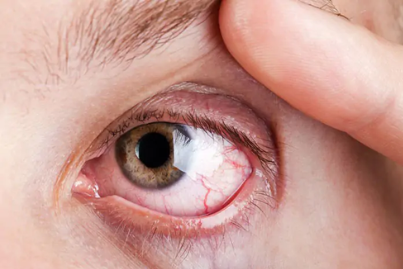
Diabetic retinopathy is a gradual eye complication associated with diabetes, in which prolonged blood sugar imbalance affects the tiny vessels nourishing the retina. The condition may begin without noticeable changes in eyesight, making regular eye examinations important.Disease severity varies among individuals and is influenced by factors including diabetes duration, glucose levels, blood pressure, and cholesterol. Early detection, metabolic control, healthy habits, and appropriate eye care can help protect vision.Our eyes depend on a healthy blood supply to work properly. At the back of the eye lies the retina, a delicate layer that receives light and sends visual information to the brain. Diabetes can gradually disturb the small blood vessels that support this important tissue. In the beginning, the person may not feel pain or notice any visual problem. With time, weakened vessels can allow fluid or blood to escape, while blocked areas may receive less oxygen. In advanced cases, fragile new vessels may appear and create further complications. This makes diabetic retinopathy an important part of long-term diabetes care, even when eyesight seems normal.
WHY DOES DIABETES AFFECT THE EYES?
Blood carries glucose throughout the body. When glucose levels remain elevated for prolonged periods, tissues exposed to this environment can undergo gradual injury.
The tiny retinal vessels are particularly sensitive. Their walls may become weaker and their ability to maintain normal blood flow can be affected. Some vessels may leak, while others may become obstructed.
Imagine a large network of very small water pipes. If some sections become weak, water may leak out. If other sections become blocked, areas beyond the blockage may receive less supply. A similar principle can help explain what happens to retinal circulation in diabetic retinopathy.Persistent vascular stress can therefore produce:
- Leakage of fluid
- Small retinal hemorrhages
- Reduced blood supply
- Retinal swelling
- Abnormal vessel formation
- Scar formation in advanced disease
MAJOR RISK FACTORS OF DIABETIC RETINOPATHY
The risk of diabetic retinopathy increases when diabetes and other vascular stresses remain uncontrolled for a long period. Major contributing factors include:
- Long Duration of Diabetes – The longer a person has diabetes, the greater the chance of retinal changes developing.
- Poor Blood Glucose Control – Persistently elevated blood sugar can gradually damage the tiny vessels supplying the retina.
- High Blood Pressure – Hypertension places additional strain on already vulnerable blood vessels and may accelerate retinal damage.
- Abnormal Cholesterol Levels – Disturbed lipid levels can contribute to vascular problems and are associated with diabetic eye complications.
- Pregnancy with Pre-existing Diabetes – Pregnancy can influence the progression of existing diabetic retinopathy, making appropriate eye monitoring important.
- Diabetic Kidney Disease – Kidney involvement can occur alongside other small-vessel complications and is associated with a greater risk of retinal disease.
- Smoking – Tobacco use can adversely affect blood-vessel health and overall circulation.
- Delayed Eye Screening – Because early retinopathy may have no symptoms, skipping regular retinal examinations can allow unnoticed changes to progress.
- Poor Overall Metabolic Control – A combination of uncontrolled glucose, blood pressure, lipids and other metabolic factors can increase vascular stress.
- Previous Retinal Changes – People who already have diabetic retinal abnormalities require appropriate follow-up because existing disease can progress.
STAGES OF DIABETIC RETINOPATHY
Diabetic retinopathy is commonly described in two broad forms: Non-proliferative diabetic retinopathy (NPDR) and proliferative diabetic retinopathy (PDR).
Non-Proliferative Diabetic Retinopathy
This is the earlier form. During this stage, the existing retinal blood vessels become abnormal. Small areas of vessel-wall weakness may appear, and minor leakage or bleeding can occur.NPDR can range from mild to severe.
- Mild NPDR– Small vessel abnormalities may be visible during an eye examination.A person may have no noticeable change in eyesight.
- Moderate NPDR– More retinal vessels may become affected. Leakage and areas of reduced circulation become more evident.
- Severe NPDR- A larger portion of the retinal circulation may become compromised. The retina can experience significant oxygen shortage, increasing the possibility of abnormal vessel growth.
Proliferative Diabetic Retinopathy (PDR)
is an advanced stage of diabetic retinopathy that develops when damaged retinal blood vessels cannot provide enough oxygen to the retina. In response, the eye may form abnormal new blood vessels (neovascularization). These fragile vessels can bleed into the vitreous, causing vitreous hemorrhage, and may lead to scar tissue formation or retinal detachment. Symptoms can include blurred or suddenly reduced vision, a sudden increase in floaters or dark spots, flashes of light, difficulty seeing clearly at night, and dark areas or shadows in the field of vision. In some cases, vision may remain normal until significant bleeding or retinal damage occurs, which is why regular dilated eye examinations are important for people with diabetes.
SYMPTOMS OF DIABETIC RETINOPATHY
Diabetic retinopathy can develop gradually, and many people have no symptoms in the early stages. As retinal damage progresses, the following symptoms may appear:
- Blurred Vision Vision may become unclear or hazy. Blurring can occur when damaged retinal blood vessels leak fluid or when swelling affects the macula, the area responsible for sharp central vision.
- Fluctuating Vision A person may notice that eyesight changes from one day to another. Variations in blood glucose levels can temporarily affect the eye’s focusing ability, while retinal changes may also contribute to unstable vision.
- Floaters and Dark Spots Small spots, dots, lines, or cobweb-like shapes may appear in the field of vision. A sudden increase in these floaters can occur when abnormal blood vessels bleed into the vitreous gel inside the eye.
- Difficulty Seeing at Night Some individuals may experience reduced ability to see clearly in dim light or may find nighttime activities more difficult as retinal function becomes affected.
- Dark or Empty Areas in Vision Damaged or poorly supplied portions of the retina can cause missing areas in the visual field. These may appear as patches of darkness or areas where objects are difficult to see.
- Reduced Central Vision When diabetic macular edema affects the macula, detailed central vision may become impaired. This can make reading, writing, recognizing faces, or seeing fine details more difficult.
- Distorted Vision Straight lines may appear bent, wavy, or irregular when swelling or structural changes involve the macula.
- Changes in Color Vision Colors may appear less bright or more difficult to distinguish. Retinal damage can interfere with the normal processing of visual information.
- Sudden Vision Changes A rapid decrease in eyesight may occur because of bleeding from fragile abnormal blood vessels, particularly in proliferative diabetic retinopathy.
- Partial or Severe Vision Loss Advanced diabetic retinopathy can cause significant loss of sight. Complications such as vitreous hemorrhage or retinal detachment can result in serious visual impairment.
- Flashes of Light Flashes may occur when abnormal pulling or traction develops inside the eye, particularly when scar tissue forms around abnormal blood vessels.
- Curtain or Shadow Over Vision A curtain-like shadow across part of the visual field can be a warning sign of retinal detachment and requires urgent ophthalmic assessment.
INVESTIGATIONS
The diagnosis and assessment of diabetic retinopathy involve a combination of eye examination, retinal imaging, and systemic investigations. Important investigations include:
Comprehensive Dilated Eye Examination
- The pupils are dilated so the ophthalmologist can examine the retina, macula, optic nerve, and retinal blood vessels.
- It helps identify microaneurysms, retinal hemorrhages, exudates, macular edema, and abnormal new blood vessels.
Visual Acuity Test
- Measures how clearly the patient can see at different distances.
- It helps assess the functional effect of retinal disease on vision.
Fundus Photography
- Photographs of the retina are taken to document retinal changes.
- Serial photographs can help monitor progression over time.
Optical Coherence Tomography (OCT)
- OCT provides detailed cross-sectional images of the retina.
- It is particularly useful for detecting diabetic macular edema (DME) and measuring retinal thickening.
Optical Coherence Tomography Angiography (OCTA)
- Provides images of retinal and choroidal blood-flow patterns without the need for injected dye.
- It can help identify areas of reduced retinal perfusion and abnormal vascular changes.
Fluorescein Angiography (FFA)
- A fluorescent dye is injected into a vein and photographs are taken as the dye circulates through retinal vessels.
- It can demonstrate leakage, blocked areas of circulation, and abnormal new blood vessels and can help guide laser treatment.
B-Scan Ultrasonography
- Useful when the retina cannot be clearly visualized because of vitreous hemorrhage or other media opacity.
- It can help assess conditions such as retinal detachment.
Systemic Investigations
- HbA1c and blood glucose: assess long-term and current glycemic control.
- Blood pressure: hypertension can increase the risk of retinal complications.
- Lipid profile: helps identify associated cardiovascular risk factors.
- Kidney function tests: may be appropriate because diabetic kidney disease and retinopathy can occur together.
TREATMENT OF DIABETIC RETINOPATHY
stage of retinopathy, presence of macular edema, visual symptoms, and overall health. Some patients require monitoring alone, while advanced disease may require active treatment.
Optimizing Diabetes and Cardiovascular Risk Factors
Good control of blood glucose, blood pressure, and cholesterol is an important part of diabetic retinopathy management. Smoking cessation and appropriate management of associated medical conditions are also important.
This approach does not replace eye-specific treatment when advanced retinal disease is present, but it helps reduce the risk of progression.
Anti-VEGF Injections
Anti-vascular endothelial growth factor (anti-VEGF) medicines are commonly used for diabetic macular edema and certain cases of proliferative diabetic retinopathy.They work by reducing the activity of VEGF, a signaling protein involved in abnormal blood-vessel growth and vascular leakage.
Treatment generally involves injections into the vitreous of the eye, with the number and frequency determined by the ophthalmologist.
Laser Photocoagulation
Laser treatment may be used in selected cases, particularly for proliferative diabetic retinopathy and certain forms of diabetic macular edema.
In proliferative disease, panretinal photocoagulation (PRP) reduces the oxygen demand of peripheral retinal tissue and can help reduce the stimulus for abnormal blood-vessel growth.
Intravitreal Corticosteroids
Corticosteroids may be considered for selected patients with diabetic macular edema, particularly when anti-VEGF therapy is unsuitable, insufficient, or when the ophthalmologist considers steroids appropriate.
Because corticosteroids can increase the risk of cataract and elevated intraocular pressure, patients receiving them require appropriate monitoring.
Vitrectomy Surgery
A vitrectomy may be required in advanced complications such as:
- Persistent or non-clearing vitreous hemorrhage
- Tractional retinal detachment involving or threatening the macula
- Certain severe proliferative complications
- Other situations where the vitreous is preventing appropriate retinal management
AYURVEDA PERSPECTIVE OF DIABETIC RETINOPATHY
Diabetic Retinopathy can be understood from an Ayurvedic perspective through the concepts of Prameha (urinary-metabolic disorders), Madhumeha (a Vata-dominant form of Prameha), Timira (visual disturbance), Dosha-Dushti (functional imbalance of Doshas), Dhatu-Dushti (tissue disturbance), Rakta Dushti (vitiation of blood tissue), Srotodushti (disturbance of body channels), Agnimandya (weak digestive and metabolic activity) and Ama (incompletely processed metabolic material). Ayurveda does not describe diabetic retinopathy as an exact single disease entity in the classical texts. Therefore, its Ayurvedic understanding is a conceptual correlation, rather than a direct classical equivalence.
The progression can be viewed as a long-standing disturbance beginning with Agni, followed by improper processing of food and tissues, Dosha aggravation and disturbance of Dhatus and Srotas. In Madhumeha, prolonged involvement of Kapha, Pitta and Vata, together with Meda (fat tissue), Kleda (excess fluid/metabolic moisture), Rakta (blood tissue) and other Dhatus, may gradually affect the delicate structures responsible for vision. The eye, particularly Drishti (visual apparatus/vision) and its Patala (layers or anatomical coverings), becomes involved when the disturbed Doshas reach the ocular tissues. Classical Ayurvedic descriptions of Timira explain how aggravated Doshas affecting the ocular Patala can produce blurred or dim vision.
Thus, Madhumehajanya Timira may be used as an Ayurvedic framework for understanding diabetic retinal changes, with emphasis on maintaining Agni, controlling Prameha, balancing Doshas, protecting Dhatus, maintaining healthy Srotas and supporting Chakshus (eyes/vision).
Nidana (Causative Factors)
The causative factors can be considered at two levels:
Factors contributing to Prameha
Ayurveda places strong emphasis on inappropriate Ahara (diet) and Vihara (lifestyle).
Important factors may include:
- Excessive Madhura Ahara (sweet foods)
- Excessive Guru Ahara (heavy foods)
- Excessive Snigdha Ahara (unctuous foods)
- Excessive food intake
- Lack of physical activity
- Excessive daytime sleeping
- Sedentary habits
- Repeated overeating
- Improper daily routine
- Excessive Kapha-promoting dietary habits
These factors may contribute to Kapha, Meda and Kleda Dushti, followed by disturbance of Agni and Prameha.
Factors contributing to ocular involvement
When Prameha becomes chronic, continued Dosha and Dhatu disturbance may create a background for ocular involvement.
The conceptual pathway is:-Prameha → Madhumeha → chronic Dosha-Dhatu Dushti → Rakta/Srotas involvement → Netra Dushti → Drishti Vikara
SAMPRAPTI (DISEASE-DEVELOPMENT PROCESS)
Mithya Ahara-Vihara (inappropriate diet and lifestyle)
↓
Agnimandya (weak digestive and metabolic activity)
↓
Ama formation (improperly processed metabolic material)
↓
Dosha Prakopa (aggravation of Doshas)
↓
Meda and Kleda Dushti (disturbance of fat tissue and fluid components)
↓
Prameha/Madhumeha
↓
Dhatu Dushti (tissue disturbance)
↓
Rakta Dushti (blood-tissue disturbance)
↓
Srotodushti (channel disturbance)
↓
Netra involvement (ocular involvement)
↓
Drishti Dushti (visual disturbance)
↓
Madhumehajanya Timira.
SYMPTOMS
From an Ayurvedic perspective, manifestations of Madhumehajanya Timira may be discussed under Drishti Vikara (visual disturbance).Possible features include:
Timira (dimness of vision)
The person may feel that vision has become less clear or objects appear hazy.
Avyakta Darshana (unclear vision)
Objects may not appear sharply defined, particularly when the ocular disturbance progresses.
Drishti Mandya (reduced visual ability)
There may be a gradual decline in the ability to perceive objects clearly.
Netra Gaurava (heaviness of the eyes)
The eyes may feel tired or heavy, particularly in individuals with associated Dosha imbalance.
Daha (burning sensation)
Pitta involvement may be considered when burning or heat-related discomfort is present.
Raga (redness)
Rakta-Pitta involvement may be considered when redness accompanies ocular symptoms.
Ruja (ocular discomfort or pain)
Pain is not necessarily present in every case and depends on the underlying ocular condition.
Drishti Bhrama (disturbed visual perception)
The person may experience altered or uncomfortable visual perception.
Progressive Drishti Hani (decline in vision)
With increasing ocular involvement, visual function may gradually become impaired.
MANAGEMENT OF MADHUMEHA/PRAMEHA
Protection and support of Netra and Drishti. The major Ayurvedic principles include:
Agni Deepana (supporting digestive and metabolic fire)
Improving Agni is considered important when Agnimandya is present.
The objective is to support proper digestion and metabolism and reduce the tendency toward Ama formation.
Ama Pachana (metabolic cleansing)
Where Ama is considered present, appropriate Ama Pachana measures may be used according to the individual’s condition.
Prameha Chikitsa (management of Prameha)
The underlying metabolic disorder should be addressed through appropriate Ahara, Vihara and classical Ayurvedic management.
Dosha Shamana (Dosha balancing)
The predominant Dosha should be assessed before selecting treatment.
Meda-Kleda Management
Since Meda and Kleda are important in the Ayurvedic pathogenesis of Prameha, appropriate measures are selected to maintain their balance.
Rakta Prasadana (supporting healthy Rakta)
Where Rakta Dushti is considered, appropriate Ayurvedic measures may be selected according to the patient’s Dosha and clinical presentation.
Srotoshodhana (supporting healthy channel function)
Management aims to reduce factors contributing to Srotorodha (channel obstruction) and maintain normal movement and nourishment.
Rasayana (rejuvenative support)
Rasayana is used in Ayurveda to support tissue strength, nourishment and resilience.
In chronic disorders, Rasayana may be considered according to the patient’s age, strength, Agni, Dosha and disease stage.
HERBAL REMEDIES FOR DIABETIC RETINOPATHY BY PLANET AYURVEDA
Planet Ayurveda is an Ayurvedic wellness brand focused on bringing traditional Ayurvedic knowledge into everyday life . Its products are developed around the principles of Ayurveda and commonly used herbs, classical ingredients, and traditional formulations. The brand aims to make Ayurvedic care easier to understand and use by combining traditional concepts with a modern approach to health and wellness. Its range includes herbal formulations designed for different areas of wellbeing, including digestion, joints, metabolism, immunity, and general health. Planet Ayurveda emphasizes the use of naturally sourced Ayurvedic ingredients and presents them in convenient forms such as capsules, tablets, powders, and other formulations.The management of Madhumehajanya Timira can be understood through two interconnected goals
- Chandraprabha Vati
- Diabeta Plus Capsules
- Fenugym Capsules
- Madhumehantak Churna
- Angel Eye Vitale Capsules
Herbal Remedies For Diabetic Retinopathy


PRODUCT DIISCRIPTION
1. Chandraprabha Vati
This is a classical Ayurvedic tablet formulation traditionally used to support urinary function, digestion, metabolism, and general vitality. It contains traditionally valued ingredients such as Guduchi (Tinospora cordifolia), Guggul (Commiphora mukul), Shilajit (Asphaltum punjabianum), Haridra (Curcuma longa), Amalaki (Emblica officinalis), Shunthi (Zingiber officinale) and mineral salts. These herbs are traditionally used for metabolic and rejuvenative support, while the Deepana-Pachana herbs support healthy digestion and Agni.
Dosage– 1–2 tablets twice daily with lukewarm water
2. Diabeta Plus Capsules
These capsules are an Ayurvedic herbal formulation traditionally used as supportive care for Madhumeha and to maintain healthy glucose metabolism. The formulation combines Karela (Momordica charantia), Vijaysar (Pterocarpus marsupium), Gurmar (Gymnema sylvestre), Saptarangi (Salacia chinensis), Ashwagandha (Withania somnifera) etc. These herbs are traditionally valued for metabolic and digestive support and commonly used in Ayurvedic practice for supporting healthy glucose and carbohydrate metabolism. Ashwagandha is traditionally regarded as a Rasayana and supports strength, vitality, and general wellbeing, while Tulsi provides traditional digestive and antioxidant support.
Dosage– 1–2 capsules twice daily with plain water.
3. Fenugym Capsules
These capsules are an Ayurvedic herbal formulation designed to provide supportive care for healthy glucose levels, digestion, and metabolic balance. It combines four traditionally used herbs: Saptarangi, Fenugreek, Haridra, and Gurmar. Saptarangi is traditionally associated with Prameha care and carbohydrate metabolism, while Fenugreek is valued for supporting digestion and healthy carbohydrate handling. Gurmar is commonly used in Ayurvedic practice for Madhumeha and metabolic support. Haridra is traditionally valued for its antioxidant and anti-inflammatory properties. Together, these herbs provide comprehensive traditional support for maintaining healthy metabolic function
Dosage– 1–2 capsules twice daily
4. Madhumehantak Churna
This is an Ayurvedic herbal powder traditionally used as supportive care for healthy blood sugar levels, digestion, and metabolic function. Its formulation includes Gudmar (Gymnema sylvestre), Methi (Trigonella foenum-graecum), Jamun Beej (Syzygium cumini), Karela (Momordica charantia), Neem (Azadirachta indica), Haridra (Curcuma longa) are traditionally associated with Madhumeha and healthy glucose metabolism, while Methi supports digestion and carbohydrate metabolism. Neem and Haridra provide traditional bitter, cleansing, antioxidant, and metabolic support. Kutki is traditionally valued for supporting liver and digestive function. This formulation is available as a churna (herbal powder).
Dosage– 1–2 teaspoons twice daily
5. Angel Eye Vitale Capsules
These are an Ayurvedic herbal formulation designed to provide traditional nutritional and rejuvenative support for healthy eyes and normal vision. The formulation contains selected herbs including Gotu Kola (Mandukaparni), Bhringraj, and Amla, traditionally valued for eye nourishment and overall wellbeing. Gotu Kola (Centella asiatica) is traditionally used to support healthy vision and nourish the eyes. Bhringraj (Eclipta alba) is traditionally regarded as a nourishing and rejuvenative herb, while Amla (Emblica officinalis) is naturally rich in antioxidants and traditionally used for eye and systemic support.
Dosage– 1–2 capsules twice daily
CONCLUSION
Diabetic retinopathy is a serious eye complication of diabetes that can gradually damage the small blood vessels of the retina. In the early stages, it may develop without clear symptoms, which makes regular eye examinations and timely screening very important. Good control of blood glucose, blood pressure, and cholesterol can help reduce the risk of progression. Treatment depends on the stage and may include medical management, laser therapy, injections, or surgery when required. From an Ayurvedic perspective, supportive measures such as a balanced Pathya Ahara (appropriate diet), healthy lifestyle, and selected herbal formulations may be used to support overall metabolic and eye health. However, Ayurvedic care should complement, rather than replace, regular ophthalmic evaluation and indicated treatment. Early detection, consistent diabetes management, and proper follow-up are key to protecting vision and reducing the risk of severe visual loss.
