
 Email-Id :
  Contact Us : 0172-521-4040 (India), +91-172-521-4040 (Outside India)
ABSTRACT
Urinary Tract Infection (UTI) is a condition that deserves attention because even a seemingly minor urinary complaint can sometimes develop into a more serious problem if ignored. Changes in urination, burning sensation, pelvic discomfort, urgency, or unusual urine appearance may indicate an underlying urinary infection. Women commonly experience UTIs, but no age group is completely protected. Maintaining adequate fluid intake, healthy personal hygiene, and proper urinary habits can help reduce the risk. Today, I would like to tell you about UTI in detail, including why it occurs, its common signs and symptoms, contributing factors, diagnostic methods, possible complications, and how it can be understood and managed through both modern medicine and Ayurveda.
INTRODUCTION
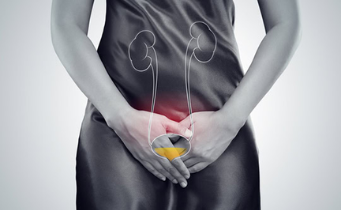
Urinary Tract Infection (UTI) is one of the most common infections affecting the urinary system and can involve the urethra, urinary bladder, ureters, or kidneys. It occurs when microorganisms, most commonly bacteria, enter and multiply within the urinary tract, leading to symptoms such as burning during urination, frequent or urgent urination, lower abdominal discomfort, cloudy or foul-smelling urine, and sometimes fever. Although UTIs can affect people of all age groups, they are particularly common among women. Recurrent or inadequately managed infections may progress to more serious conditions, including kidney involvement and systemic infection.
STATISTICS OF URINARY TRACT INFECTION
Urinary Tract Infection (UTI) is a widespread health problem, particularly among women. . More than 50% of adult women experience at least one UTI during their lifetime. Nearly 25% of women who develop a bladder infection may experience another episode, making recurrence a common concern. Women are affected much more frequently than men, largely due to anatomical differences that allow bacteria to reach the urinary tract more easily. UTI is one of the most commonly diagnosed bacterial infections in community and healthcare settings and contributes significantly to antibiotic use. The risk of UTI may increase with advancing age, especially when factors such as incomplete bladder emptying, urinary obstruction, or catheter use are present. Together, these statistics demonstrate the substantial burden of UTI and emphasize the importance of timely diagnosis, appropriate treatment, and preventive urinary care.
INTERESTING FACT ABOUT URINARY TRACT INFECTION
- UTI can affect anyone: Although more common in women, urinary infections can occur in men, children, and older adults.
- Bacteria are the usual cause: Most UTIs develop when bacteria from the surrounding area enter the urinary tract and multiply.
- The bladder is commonly involved: Lower urinary tract infections often affect the bladder and are commonly referred to as cystitis.
- Some UTIs have few symptoms: Certain people, particularly older adults, may not experience the typical burning or urinary urgency associated with infection.
- Sexual activity can increase risk: In some women, sexual activity may facilitate the movement of bacteria toward the urethra.
- Catheters can raise the risk: Urinary catheters provide a pathway through which microorganisms can enter the urinary system.
- Kidney infections can develop: An untreated or complicated infection may travel from the bladder to the kidneys and require prompt medical attention.
- Diagnosis is not based only on symptoms: Urine testing, particularly urinalysis and urine culture when indicated, can help identify infection and guide appropriate treatment.
CAUSES OF URINARY TRACT INFECTION
- Bacterial entry: Most UTIs occur when bacteria from the skin or bowel region enter the urethra and multiply within the urinary tract.
- Poor personal hygiene: Inadequate hygiene around the genital and urinary area can facilitate the transfer of microorganisms toward the urethra.
- Insufficient fluid intake: Drinking too little water may result in less frequent urination, reducing the natural flushing of microorganisms from the urinary tract.
- Holding urine for long periods: Repeatedly postponing urination can interfere with normal bladder emptying and may contribute to bacterial growth.
- Sexual activity: Sexual intercourse can move bacteria toward the urethral opening, increasing the likelihood of infection in susceptible individuals.
- Incomplete bladder emptying: Conditions that prevent the bladder from emptying completely can leave residual urine, creating an environment favorable for microbial multiplication.
- Urinary obstruction: Kidney stones, enlarged prostate, or other blockages can interfere with urine flow and increase infection risk.
- Urinary catheter use: Catheters can introduce microorganisms into the urinary tract and are an important risk factor for healthcare-associated UTIs.
- Pregnancy: Physiological and hormonal changes during pregnancy can affect urinary flow and increase susceptibility to UTI.
- Underlying health conditions: Diabetes and certain disorders affecting the urinary system or immune function can make a person more vulnerable to infection.
SIGN AND SYMPTOMS OF URINARY TRACT INFECTION
- Burning while urinating: A burning, stinging, or painful sensation may occur during passage of urine.
- Frequent urination: A person may feel the need to urinate more often than usual, even when only a small amount of urine is passed.
- Sudden urinary urgency: There may be a strong and difficult-to-control urge to urinate.
- Lower abdominal discomfort: Pressure, heaviness, cramps, or pain may be felt around the lower abdomen or pelvic region.
- Changes in urine: Urine may appear cloudy or occasionally contain blood. An unusual or strong odor can also occur.
- Incomplete emptying: Some individuals may feel that the bladder has not emptied completely after urination.
- Fever and chills: These symptoms may occur when the infection is more significant or has involved the upper urinary tract.
- Back or side pain: Pain in the lower back or side, particularly along with fever, may indicate possible kidney involvement.
- Nausea or vomiting: These symptoms can accompany an upper urinary tract infection, especially when the kidneys are affected.
- General weakness: Fatigue, reduced appetite, or a feeling of being unwell may accompany a more severe infection
DIAGNOSIS OF URINARY TRACT INFECTION
- Medical history: The healthcare professional asks about urinary symptoms, their duration, previous infections, medications, pregnancy status, and relevant medical conditions.
- Physical examination: An examination may be performed to identify abdominal, pelvic, flank, or other findings that could suggest urinary infection or another condition.
- Urinalysis: A urine sample is examined for findings such as white blood cells, red blood cells, nitrites, and other indicators that may support the presence of infection.
- Urine culture: The sample is grown in a laboratory to identify the causative microorganism and determine which antibiotics are likely to be effective. This is particularly useful in recurrent, complicated, or suspected upper urinary tract infections.
- Urine microscopy: Microscopic examination can detect pus cells, bacteria, blood, and other urinary abnormalities that may help in evaluation.
- Blood investigations: When a severe or upper urinary tract infection is suspected, tests such as a complete blood count and kidney function tests may be recommended.
- Imaging studies: Ultrasound, CT, or other imaging may be considered when kidney stones, urinary obstruction, structural abnormalities, recurrent infections, or complications are suspected.
- Pregnancy testing: In women of reproductive age, pregnancy assessment may be appropriate because pregnancy changes the evaluation and management of UTI.
- Differential diagnosis: Similar symptoms can occur with vaginal infections, sexually transmitted infections, kidney stones, or bladder conditions, so these possibilities may need to be excluded.
- Clinical assessment: The final diagnosis is made by combining the patient’s symptoms, examination findings, and appropriate laboratory investigations rather than relying on a single test alone.
MANAGEMENT OF URINARY TRACT INFECTION
- Medical evaluation: Treatment should begin with proper assessment to determine whether the infection is uncomplicated, recurrent, or associated with kidney involvement or another underlying problem.
- Appropriate antibiotics: When a bacterial UTI is diagnosed, antibiotics may be prescribed according to the type of infection, patient factors, local resistance patterns, and, when required, urine culture results.
- Adequate hydration: Maintaining sufficient fluid intake can support normal urine production and help prevent dehydration. Fluid intake should be individualized in people with kidney, heart, or other conditions requiring fluid restriction.
- Regular bladder emptying: Avoiding unnecessary or prolonged postponement of urination may support normal bladder function.
- Pain and fever management: Suitable medicines may be recommended by a healthcare professional to relieve discomfort, fever, or urinary symptoms.
- Identify underlying causes: Recurrent infections may require evaluation for factors such as urinary stones, obstruction, incomplete bladder emptying, diabetes, or other urinary tract abnormalities.
- Catheter care: When a urinary catheter is necessary, appropriate insertion and maintenance practices can help reduce the risk of catheter-associated infection.
- Special attention during pregnancy: UTIs during pregnancy require timely medical assessment because untreated infection can lead to complications for the mother and pregnancy.
- Management of kidney infection: Fever, chills, vomiting, or pain in the back or side may indicate upper urinary tract involvement and require prompt medical care.
- Complete prescribed treatment: Patients should follow the prescribed treatment schedule and seek medical advice if symptoms persist, worsen, or return after treatment rather than self-medicating repeatedly.
AYURVEDIC INSIGHTS OF URINARY TRACT INFECTION
From an Ayurvedic perspective, Urinary Tract Infection (UTI) does not have a direct one-to-one equivalent disease name, but its clinical presentation can be correlated with disorders of Mutravaha Srotas (urinary channels), particularly Mutrakrichra, which is characterized by painful or difficult urination. The condition may involve predominantly Pitta and Vata Dosha, especially when burning sensation, pain, frequent urination, and altered urinary function are present. Ayurvedic literature describes Basti (urinary bladder) and Vankshana (groin region) as important sites associated with the Mutravaha Srotas( urinary carrying channel) and disturbance of these channels may result in abnormal urinary function. Dietary and lifestyle factors such as excessive intake of pungent, sour, salty, and heat-producing foods, inadequate fluid intake, suppression of the urge to urinate, excessive physical exertion, and impaired digestion may contribute to Dosha imbalance and urinary disturbances. Ayurveda emphasizes Nidana Parivarjana (avoidance of causative factors), correction of Agni(digestive fire),appropriate hydration, and maintenance of Mutravaha Srotas function( urinary carry channels). Traditionally described urinary-supportive herbs include Gokshura (Tribulus terrestris), Punarnava (Boerhaavia diffusa), Varuna (Crataeva nurvala).
1. Ashtanga Hridaya – Nidana Sthana 9/4
बस्तिवङ्क्षणमेढ्रार्तियुक्तोऽल्पाल्पं मुहुर्मुहुः ।
मूत्रयेद्वातजे कृच्छ्रे पैत्ते पीतं सदाहरुक् ॥
This description explains that in Vataja Mutrakrichra, urination may occur frequently in small quantities with pain around the bladder, groin, and genital region, whereas Pittaja Mutrakrichra is associated with yellow urine and burning or painful urination. These features show a clinical resemblance to some manifestations of lower urinary tract infection.
2. Ashtanga Hridaya – Nidana Sthana 9/5
रक्तं वा कफजे बस्तिमेढ्रगौरवशोफवान् ।
सपिच्छं सविबन्धं च सर्वैः सर्वात्मकं मलैः ॥
This verse describes the involvement of Kapha in Mutrakrichra through features such as heaviness, swelling, and slimy or altered urine, while involvement of all three Doshas produces a mixed clinical presentation.
SAMPRAPTI (PATHOGENESIS) OF URINARY TRACT INFECTION
Nidana (Causative Factors)
↓
Viruddha / Ahitakara Ahara & Vihara (unsuitable diet and lifestyle) + Vegadharana (suppression of natural urinary urge)
↓
Agni Dushti (disturbance of digestive and metabolic function)
↓
Ama Nirmana (formation of incompletely processed metabolic waste)
↓
Dosha Prakopa — predominantly Pitta and Vata
↓
Mutravaha Srotas Dushti (disturbance of urinary channels)
↓
Srotorodha / Margavarodha (impaired urinary flow)
↓
Mutra Dushti (alteration in normal urinary function)
↓
Daha + Mutrakricchra + Mutraghata-like Features
(burning, painful or difficult urination)
↓
Local Inflammatory Response
↓
UTI-like Clinical Manifestations
↓
Repeated or Persistent Infection → Possible Upper Urinary Tract Involvement
HERBAL REMEDIES BY PLANET AYURVEDA FOR URINARY TRACT INFECTION
Planet Ayurveda is a well-established Ayurvedic healthcare organization that works to promote the ancient knowledge of Ayurveda through natural remedies and holistic health solutions. The company develops a wide range of herbal formulations using pure, high-quality ingredients and standardized herbal extracts, with a focus on maintaining safety, authenticity, and effectiveness. Following the principles of classical Ayurveda, Planet Ayurveda aims to support overall health by addressing the underlying causes of health concerns and encouraging balance in the body, mind and emotions. With an emphasis on quality, natural ingredients, and traditional approaches supported by modern research, the organization works toward making Ayurvedic wellness solutions available globally. We will explore various herbal approaches used for the management of Urinary Tract Infection according to Ayurvedic principles. The herbal formulations are;
- Punarnava Capsules
- Gokshuradi Guggal
- Varunadi Vati
- Chandanadi Vati
- Reno Plan Syrup
Herbal Remedies of Urinary Tract Infection


PRODUCT DESCRIPTION
Punarnava Capsules
These capsules are prepared using Punarnava (Boerhaavia diffusa) is traditionally valued for supporting Mutravaha Srotas (urinary system) and promoting healthy urinary function. Its traditionally described Mutrala (diuretic) and Shothahara (supporting reduction of swelling/inflammation) properties make it relevant as a supportive herbal option in urinary complaints.
Dosage– 2 Capsules twice a day with luke warm water after a meal
Gokshuradi Gugga
Gokshuradi Guggulu is a classical Ayurvedic formulation traditionally used for disorders involving the Mutravaha Srotas (urinary channels). Planet Ayurveda’s formulation contains Gokshura (Tribulus terrestris), Shuddha Guggulu (Commiphora mukul), Maricha (Piper nigrum), Shunthi (Zingiber officinale)and many more herbs.Gokshura is traditionally valued for its Mutrala( diuretics) action and support of normal urinary flow, while Guggulu and the accompanying herbs provide complementary properties relevant to urinary discomfort and Srotas function.
Dosage-2 tablets twice a day with water after a meal
Varunadi Vati
It is an Ayurvedic formulation traditionally used to support healthy urinary function and may be considered as supportive management in UTI-related urinary complaints. Its key herbs include Varuna (Crataeva nurvala), Gokshura (Tribulus terrestris), and Punarnava (Boerhaavia diffusa) etc. Varuna is traditionally valued for supporting normal urinary flow, while Gokshura is known for its Mutrala (urinary-supportive) properties. Punarnava is traditionally described as Mutrala and Shothahara (supportive in swelling and inflammation). Together, these herbs may support urinary comfort and healthy Mutravaha Srotas function.
Dosage-2 tablets twice a day with water after a meal
Chandanadi Vat
Chandanadi Vati is a classical Ayurvedic polyherbal formulation traditionally used for urinary complaints. Its ingredients include Safed Chandan (Santalum album), Gokshura (Tribulus terrestris), Rasaut (Berberis aristata) and many more herbs. Safed Chandan is traditionally valued for its Sheeta (cooling) and Pitta-pacifying properties, while Gokshura supports healthy urinary flow. Rasaut and the other herbs provide complementary traditional properties for urinary tract comfort.
Dosage-2 tablets twice a day with water after a meal
Reno Plan Syrup
It is an Ayurvedic herbal formulation used as supportive care for urinary and renal health. Its key ingredients include Punarnava (Boerhaavia diffusa), Gokshura (Tribulus terrestris), Bhumi Amla (Phyllanthus niruri), and many more herbs. Punarnava and Gokshura are traditionally valued for their Mutrala (supporting healthy urine flow) properties, while Bhumi Amla .
Dosage-2 tsp twice a day with lukewarm water after a meal.
CONCLUSION
Urinary Tract Infection (UTI) is a common urinary disorder that requires timely attention because an untreated infection may extend from the bladder to the kidneys and lead to serious complications. Proper diagnosis through clinical assessment and appropriate urine investigations helps guide treatment, while confirmed bacterial infections may require suitable antimicrobial therapy. From an Ayurvedic perspective, UTI-related symptoms can be understood through disorders of Mutravaha Srotas (urinary channels), particularly conditions described under Mutrakrichra(painful urination) where disturbed Doshas, impaired Agni(digestive fire), inappropriate Ahara-Vihara, and suppression of natural urinary urges may contribute to urinary discomfort. Ayurvedic management emphasizes Nidana Parivarjana (avoiding causative factors), Agni( digestive fire) maintenance, adequate hydration, healthy urinary habits, and appropriate herbal support according to individual Prakriti and clinical presentation.
